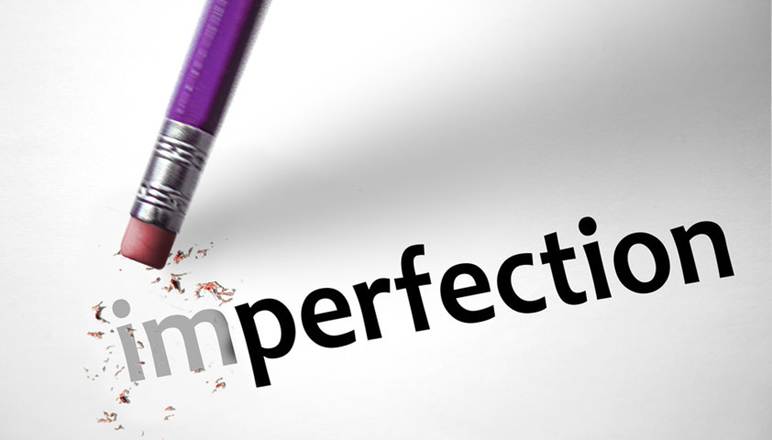
There’s a moment – quiet, fleeting, and familiar – that perfectionists know too well. It’s the split second after finishing something meaningful, when pride should settle in, but it doesn’t. Instead, there’s a mental audit. A tightening in the chest. A sense that you should review it one more time, refine it again, revise what doesn’t actually need revising. That moment tells the story: perfectionism isn’t about high standards; it’s about standards that keep moving out of reach.
What makes perfectionism so deceptively powerful is its tone. It doesn’t shout. It analyzes. It frames its demands as discipline, ambition, preparation, or “just being thorough.” The problem is the hidden cost – the joy it quietly extracts from achievement, and the exhaustion it creates when you’re constantly negotiating with your own expectations. This pattern is familiar territory for clinicians like Jolie Weingeroff, whose work with clients navigating anxiety, high performance pressure, and chronic self-critique often reveals the same underlying truth: perfectionism doesn’t build confidence; it drains it.
Most significantly, personality is not the same as perfectionism. It’s not a quality you must live with or a burden you must bear. Fear of making mistakes, fear of being judged, fear of disappointing other people, and occasionally fear of disappointing oneself are all acquired coping mechanisms. You may also disrupt the cycle of perfectionism with structure if you realize that it has one.
How Perfectionism Sneaks In (and Stays)
Perfectionism doesn’t appear overnight. It comes subtly, such as through comparison, excessive apologies, or the pressure to go above and beyond when “good enough” is already extraordinary. Perfectionism is frequently explained by psychologists as an excessive threat-response mechanism, in which your brain interprets flaws as threats. Thus, the answer is to put in additional work, review, and control.
Three patterns tend to show up:
- The “If I Get This Right, I’ll Finally Relax” Myth
Perfectionism promises relief after the next achievement – but once you reach it, the standard shifts again. It’s a finish line designed to stay ahead of you.
- The Fear of Disappointing Others
Whether at work, in relationships, or in daily routines, perfectionists often operate under the assumption that anything short of flawless will be judged harshly – even when evidence suggests otherwise.
- The Habit of Turning Simple Tasks Into High-Stakes Events
Things that should only take a few minutes, like sending an email, planning, or selecting a restaurant, become mental marathons.
Knowing these tendencies allows you to identify perfectionism for what it is: a self-imposed pressure cycle rather than a useful indicator of value. This is your first genuine leverage point.
Replace “Perfect” With “Purposeful”
Perfectionism pushes you to fix every detail, even when the detail has no meaningful impact. Purposeful action forces you to ask: “What matters most in this task?”
You eliminate the noise when you establish the goal first. Decisions become more obvious. Time gets easier to handle. The outcome is no longer based on fear but on intention.
Use the Rule of “One Pass, Then Pause”
Perfectionism thrives on endless reviewing. A practical counter is simple:
- One thoughtful pass
- One intentional pause
- Then, a decision
The interruption is the pause, which separates the anxious need to continue adjusting. That room is frequently sufficient for the recovery of reasonable judgment.
Stop Buying Into the “All-or-Nothing” Illusion
Perfectionists tend to divide outcomes into two categories: flawless or failure. This thinking style shrinks your ability to appreciate progress, growth, creativity, and effort.
Ask questions like, “What would 80% look like here?” or “What actually needs to be exceptional, and what just needs to be done?” This reframes excellence as achievable rather than punishing.
Reconnect With Joy Through Micro-Wins
It is rare for perfectionists to celebrate. They head straight to the next objective. Force recognition for micro-wins:
- Sending a draft
- Showing up on time
- Setting a boundary
- Resting without guilt
- Finishing a task without reworking it
Celebrating these doesn’t lower your standards, rather it strengthens your confidence.
Perfectionism Isn’t a Badge, It’s a Burden You Can Put Down
You are persuaded that being perfect keeps you disciplined, smart, productive, and admirable. The reality is more straightforward: it wears you out. It keeps you far from contentment. It keeps you acting rather than taking part.
Perfectionism may have shaped how you’ve operated for years, but habits – even deeply reinforced ones – can be rewritten. Step by step, thought by thought, with tools rooted in psychology and a mindset rooted in self-respect, the cycle becomes easier to interrupt.
And with time, you’ll notice something quiet but profound: your work gets better when you stop trying to be perfect, and start allowing yourself to be human.